The Complete Skin & Hair Protocol
6 evidence-based Ayurvedic practices — from blood purification to topical oils — that restore radiant skin and lustrous hair from the inside out.
1
Neem + Manjistha + Turmeric — The Blood Purification Triad
The three core blood-purifying herbs used together produce transformative skin results in 90 days. Neem (Azadirachta indica): 500mg twice daily — antibacterial, antifungal, cooling for Pitta-type skin inflammation, acne, and eczema. Manjistha (Rubia cordifolia): 1–2g daily — Ayurveda's primary lymphatic and blood purifier; reduces pigmentation, clears hormonal acne, and improves skin lustre. Turmeric: ½ tsp in warm water (with black pepper for absorption) — systemic anti-inflammatory that reduces Pitta-Rakta heat driving most skin conditions. Used internally; topical Neem face wash alongside.
2
Neem — The Skin Purifier Inside & Out
Neem is Ayurveda's most comprehensive dermatological herb — effective for every type of skin disorder from acne to psoriasis to fungal infections. Internal: 500mg capsule twice daily for systemic blood purification. Topical: 2–3 drops of Neem oil diluted in a carrier oil (always dilute — never neat on skin) applied directly to blemishes, infections, or patches of inflammation. Neem face wash as daily cleanser for acne-prone and oily skin. For hair: add Neem oil to scalp oil treatment to address dandruff and scalp infections.
3
Bhringraj Oil — The King of Hair Herbs
Bhringraj (Eclipta alba) is Ayurveda's primary hair tonic — its name means "king of hair." Clinical research confirms Bhringraj oil applied to the scalp significantly reduces hair fall, promotes new growth, and is as effective as minoxidil for androgenic alopecia in small studies. Application: warm Bhringraj oil (or Bhringraj-infused coconut oil), massaged into the scalp with gentle circular motions for 10 minutes, twice weekly. Leave for minimum 2 hours or overnight. Continue for 90 days minimum for visible regrowth results.
4
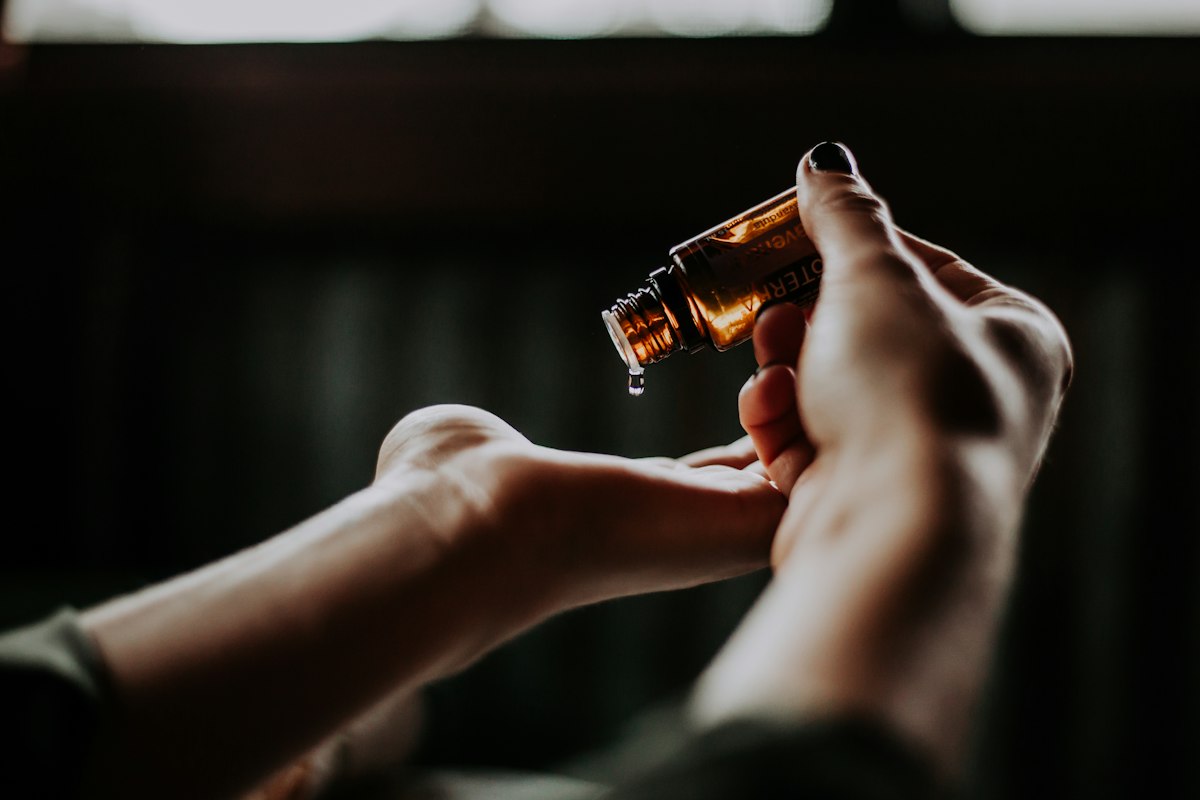
Kumkumadi Tailam — The Saffron Face Oil
Kumkumadi Tailam — saffron-infused sesame oil with 16 herbs including Sandalwood, Lotus, and Licorice — is Ayurveda's most revered skin brightening and rejuvenating oil. Saffron (Kumkuma) increases microcirculation in the skin, brightens complexion, reduces pigmentation and dark spots, and provides potent antioxidant protection. Application: 3–5 drops warmed between palms, pressed gently into clean dry skin before sleep. Do not rinse. Suitable for all skin types. Results visible in 4–6 weeks; transformative at 90 days.
5
Ubtan — Ayurveda's Original Face Mask
Ubtan (face/body scrub) is one of Ayurveda's oldest beauty preparations — described in the Charaka Samhita as essential for skin health. Basic Ubtan: chickpea flour (besan) + turmeric + sandalwood powder + rosewater (for Pitta/oily skin) or warm milk (for Vata/dry skin). Mix to a paste, apply to face and body, leave for 15 minutes, remove by gentle rubbing in circular motions (exfoliation). Use 2–3 times weekly. It gently exfoliates, brightens complexion, reduces oiliness (Kapha), nourishes dryness (Vata), and cools inflammation (Pitta).
6
Hair Oiling — Dosha-Specific Weekly Treatment
Regular hair oiling — Abhyanga applied to the scalp — is non-negotiable in Ayurvedic hair care. It nourishes Asthi Dhatu (the tissue governing hair), stimulates blood circulation to follicles, prevents premature greying, and maintains scalp health. Dosha-specific oils: Vata — warm sesame or Brahmi-sesame (heavy, warming, nourishing); Pitta — Bhringraj-coconut or plain coconut (cooling, anti-inflammatory); Kapha — light mustard or Neem oil (stimulating, drying, preventing oiliness). Apply for 10 minutes minimum, twice weekly. Warm the oil before use.