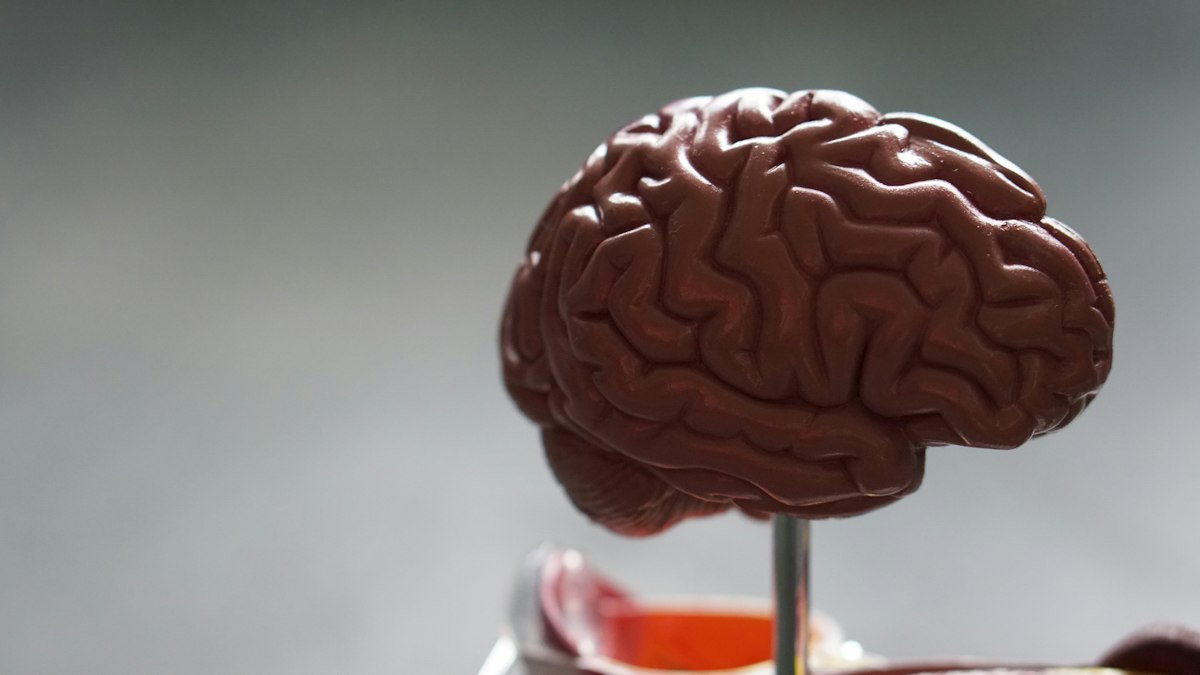
BRAHMI & SHANKHPUSHPI — ANCIENT NOOTROPICS
Brain fog isn't laziness, weakness, or aging — it's a signal your channels are blocked. Ayurveda has spent 3,000 years clearing the fog and restoring the sharp, creative mind you were born with.
In Ayurvedic medicine, optimal cognitive function is called Medha — the quality of intellect that is sharp, retentive, clear, and adaptable. When Medha is diminished, we experience what modern medicine calls brain fog: the inability to concentrate, poor memory recall, mental fatigue, slowed thinking, and the sensation of trying to think through a thick blanket. Ayurveda has been treating this condition for over 3,000 years with remarkable precision.
The primary herbs for cognitive enhancement — Brahmi (Bacopa monnieri) and Shankhpushpi (Convolvulus pluricaulis) — are classified as Medhya Rasayanas: rejuvenating tonics specifically targeted at the intellect and nervous system. Modern neurological research has confirmed what Ayurvedic physicians knew empirically: these plants directly influence acetylcholine metabolism, BDNF (brain-derived neurotrophic factor), and hippocampal neurogenesis.
Scattered, racing, unable to settle on one thought. The mind jumps between tasks. Overthinking that leads nowhere. Poor short-term memory, anxiety alongside confusion, and difficulty completing thoughts. Common in people who over-work, under-sleep, or consume excessive digital media.
The burnout type. Previously sharp and driven, now exhausted and struggling to access that sharpness. Associated with overwork, perfectionism, excessive ambition, and the eventual depletion of Tejas (the subtle fire of intellect). Often accompanied by headaches, eye strain, and irritability.
Heavy, foggy, dull, and slow. The classic "brain fog" that most people describe — feeling like thinking through mud. Associated with excess mucus, sedentary lifestyle, excessive sleep, heavy diet, and Ama (toxic accumulation) blocking the channels of the mind. Most responsive to stimulating herbs and movement.
Ayurveda describes four dimensions of intellect that Medhya Rasayanas specifically address: Dhi (power of acquisition and learning), Dhriti (retention and sustained attention), Smriti (recall and memory), and Prajna (wisdom — the integration of knowledge into intuitive understanding).
Most cognitive enhancement in modern medicine focuses only on acquisition and speed. Ayurveda's approach is holistic — it builds the entire system from retention to wisdom, treating the brain not merely as a processor but as an organ of consciousness requiring nourishment, rest, and sensory management.
Ayurveda pinpoints three primary causes of cognitive decline: Ama (toxic accumulation blocking mind channels), Vata aggravation disrupting neural communication, and Ojas depletion — the loss of vital essence that powers consciousness itself.
Undigested metabolic waste (Ama) accumulates in the subtle channels (Srotamsi) that carry nutrition and prana to brain tissue. This is the Ayurvedic equivalent of neuroinflammation. It manifests as the feeling of mental heaviness, slow processing, and the inability to think clearly regardless of how much sleep you get.
The mental channel (Manovaha Srotas) becomes disturbed by excess Vata, creating the scattered, unfocused type of brain fog. Worsened by irregular sleep, excess stimulation, digital overload, and cold foods. The mind becomes like a radio picking up too many stations at once — unable to tune in clearly to any single signal.
Ojas — the ultimate refined essence of all seven body tissues — is the physical substrate of consciousness. When depleted through overwork, chronic stress, grief, or poor nutrition, the brain literally loses its vital fuel. Ojas-building foods like ghee, dates, saffron, and almonds are foundational to cognitive recovery.
7 evidence-based Ayurvedic practices — from ancient nootropic herbs to sensory management — that restore mental clarity at the root level.
Brahmi (Bacopa monnieri) is Ayurveda's most renowned brain herb — classified as both a Medhya Rasayana and a Vata-pacifying nervine. Modern research confirms it inhibits acetylcholinesterase (increasing brain acetylcholine levels), stimulates BDNF (brain-derived neurotrophic factor), and reduces cortisol-induced hippocampal damage. Dose: 300mg standardised extract, or 1 tsp Brahmi ghee in warm milk daily. Benefits require consistent use for 6–12 weeks.
Shankhpushpi (Convolvulus pluricaulis) uniquely enhances all four dimensions of intellect: Dhi (acquisition), Dhriti (retention), Smriti (recall), and Prajna (wisdom). Research shows it increases hippocampal acetylcholine, reduces anxiety-induced cognitive impairment, and has neuroprotective properties. Often combined with Brahmi for synergistic effect. Dose: 2–4g of powder in warm milk or honey.
Nasya (medicated nasal drops) is considered the direct route to the brain in Ayurveda — the nose is called the "gateway to consciousness." Applying 2–3 drops of Brahmi Ghee in each nostril each morning delivers therapeutic herbs directly to the olfactory pathways. Lie on your back, warm the drops slightly, and rest for 5 minutes after application.
Gandusha (oil pulling) — swishing 1 tbsp of sesame or coconut oil for 15–20 minutes each morning — removes Ama from the oral-neural pathways. The mouth has direct nervous system connections; clearing toxins here supports the cranial nerves and reduces Kapha-type brain fog. Spit out the oil (it will be white/cloudy) and rinse with warm water.
Brahma Muhurta runs from 4:30 to 6:00 AM — when Vata is at its natural, benign peak and the mind is clear, fresh, and highly receptive. Waking during this window and spending 20 minutes in silent meditation, pranayama, or focused study creates a neurological foundation for the entire day. Modern sleep research confirms cortisol naturally rises before dawn, optimising alertness.
Pratyahara — the withdrawal of the senses from external stimuli — is Ayurveda's answer to sensory overload. A daily 90-minute practice of sensory rest (no screens, no music, no social input — just quiet being) allows the nervous system to clear accumulated sensory backlog that manifests as brain fog. This is not sleep — it is conscious withdrawal. Clarity returns naturally.
The brain is nourished by Majja Dhatu (nerve tissue), built from progressively refined digestion across all seven body tissues. Core cognitive foods: ghee (carrier for fat-soluble brain nutrients), 12 soaked almonds daily (soaked overnight — remove skins), walnuts (Vata-pacifying, omega-3s), saffron in warm milk (increases cerebral blood flow), dates (Ojas builders), and raw honey (probiotic and brain tonic). Avoid refined carbohydrates, sugar, and heavy, cold, processed foods which impair Agni and increase Ama.

A structured four-week plan for systematically rebuilding cognitive clarity using the Ayurvedic protocols above.
Begin oil pulling daily. Start Brahmi (300mg or Brahmi ghee in milk each morning). Introduce Nasya practice 5 days out of 7. Begin waking 30 minutes earlier toward Brahma Muhurta. Eliminate refined sugar and heavy, cold foods. Expected: Mild improvement in morning clarity, slightly better sleep quality, reduced afternoon energy slumps.
Add Shankhpushpi to morning routine (combined with Brahmi for synergy). Introduce a daily 30-minute Pratyahara practice — sitting in silence without devices. Begin eating soaked almonds (12 daily) and adding ghee to meals. Expected: Improved ability to focus for sustained periods, less mental scattering, better recall of recent information.
Reach Brahma Muhurta wake time (4:30–6:00 AM). Establish a consistent 20-minute morning meditation practice. Extend Pratyahara to 60–90 minutes daily. Add saffron milk in the evening. Begin noticing the quality and speed of thought throughout the day. Expected: Noticeably sharper mornings, improved creative problem-solving, reduction in mental fatigue episodes.
Full protocol now running daily. The combined effect of two Medhya Rasayanas, daily Nasya, oil pulling, Brahma Muhurta waking, sensory management, and Agni-supporting diet should be producing a measurably different cognitive baseline. Expected: Sustained mental clarity through the afternoon, improved memory recall, greater emotional equanimity, and a sense of mental spaciousness that brain fog had previously blocked.